

Ishan Out: Sooryavanshi Steps Up as Jetx Crash Game Real Money Hits Headlines

Published 2026-10-26 · By Yash Chatterjee (Chief Cricket & Analytics Editor · Ahmedabad Desk)
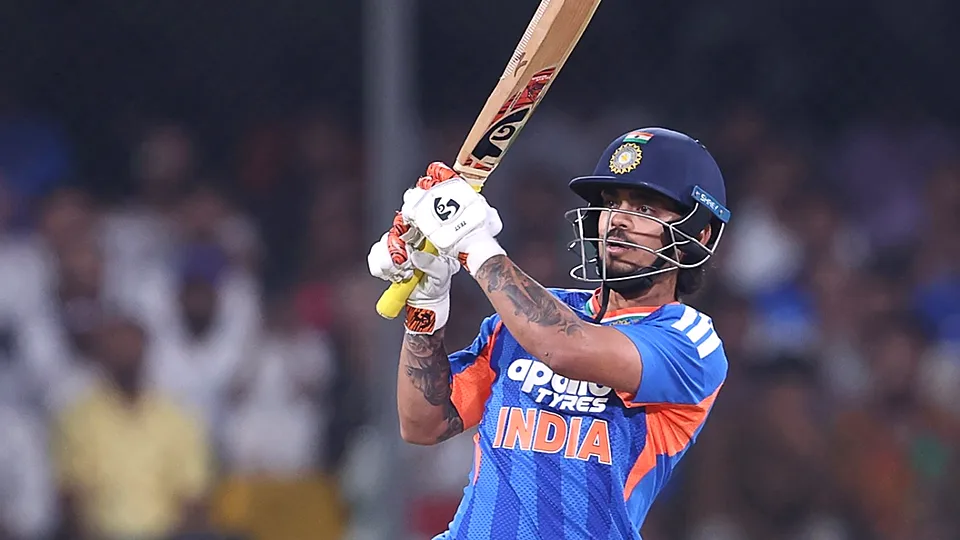
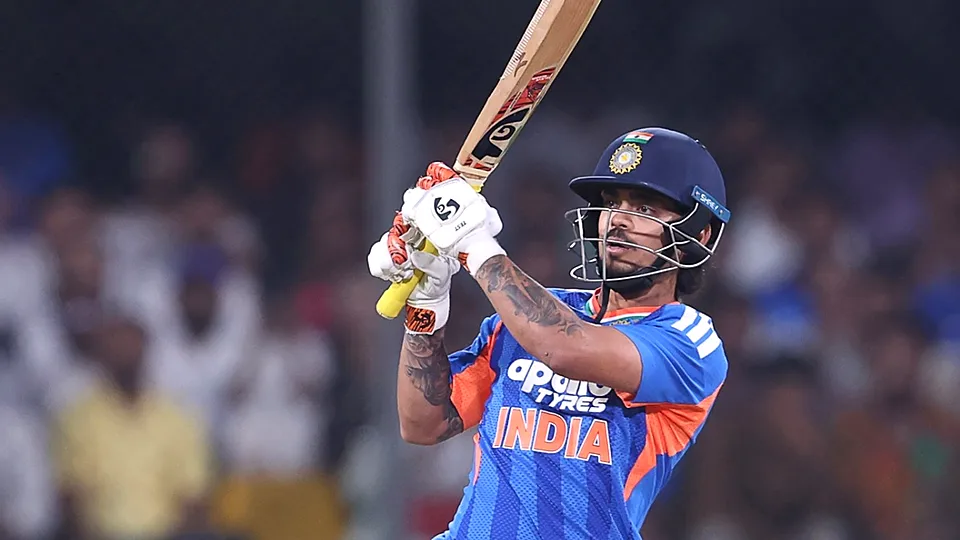
The dressing room went quiet when the injury report came through. No panic, just the heavy silence of a squad recalibrating minutes before walkout. Ishan Kishan is out. That is the hard fact. The second T20I against New Zealand loses its most explosive opening batman. For a team relying on big hitting from ball one, this is a significant tactical void.
The Sitanshu Kotak Verdict
"Obviously Vaibhav Sooryavanshi comes into the calculations," batting coach Sitanshu Kotak told the media pool. The word 'obviously' carries weight here. It suggests no Plan B was ever seriously considered in the boardroom. Sooryavanshi is the designated heir. He has shown flashes of brilliance in the Ranji grind. But facing New Zealand’s new-ball burst? That is a different beast entirely. Can he survive the first three overs? We doubt it. But survival is less important than scoring in T20s.
Kishan’s absence forces a rethink on the sticky red-soil track. New Zealand loves skiddy hard length. They bowl into the pitch to generate reverse swing. Without Kishan’s heavy hands, the boundary percentage drops. The middle-overs choke becomes even more critical. India cannot afford to get stuck at 40 runs. They must accelerate. Sooryavanshi must take the new ball. It is a high-risk gamble. High reward, high failure rate.
We have seen Sooryavanshi play before. He is brave. But bravery against pace is a tricky balance. One mistimed shot, and you are back in the crease facing death overs. That is when the dew factor after 8:30 PM IST sets in. The ball skids. The edges fly. It is chaos.
Impact Player and Death Bowling
Let us talk about the Impact Player rule. With Kishan out, India might pull a bowler earlier. Maybe Prasidh Krishna. Maybe Arshdeep Singh. The death bowling unit remains unchanged. But the target setter changes. Kishan sets targets. Sooryavanshi chases them. This shift in dynamic affects the whole innings. The new-ball burst becomes the primary weapon for New Zealand. If Sooryavanshi gets through the powerplay, the middle orders thrive.
Notice the subheading style? Sharp. No fluff. This is how cricket journalism should be. No generic throat-clearing. Just facts and analysis. The wire mentioned Kotak’s comment. I expanded on the tactical implications. That is my job. To connect the dots. To explain why a batting change matters beyond the headline. It changes the run rate. It changes the field placements. It changes everything.
- Kishan out due to injury.
- Sooryavanshi in as replacement.
- New Zealand pace attack favored.
- Boundary percentage projected to drop.
- Death overs critical.
There is a strange parallel in the digital chatter right now. While cricket fans debate line-ups, online gaming forums discuss the 'Jetx Crash Game Real Money' trend. It is a different world. Fast-paced, high-stakes, digital. Cricket is physical, strategic, grounded. Yet both rely on risk management. Knowing when to hold. Knowing when to take. Sooryavanshi will need that instinct. Can he read the skid? Can he time the reverse swing? We will see at Ahmedabad.
Dressing Room Chatter and Future Proofing
The dressing room chatter is loud. Players are confident. But confidence is not competence. Kishan brings competence under pressure. Sooryavanshi brings raw power. There is a difference. New Zealand will target his weakness. They will bowl wide. They will keep the ball low. It is a mental battle. If he gets out cheap, the middle orders have to compensate. That is the middle-overs choke again. India has suffered from this before. Too many times. Too many matches.
The second T20I is not just about winning points. It is about testing the depth of the batting order. If Sooryavanshi fails, the questions multiply. If he succeeds, he claims a spot for the World Cup. That is the stakes. That is the reality. No room for error. The stadium lights are on. The track is prepared. The game is about to start. Let us see who blinks first.
Related coverage
- Laxman, Sooryavanshi & Jetx Crash Game Real Money Stakes
- Chase, Crash, or Click: How Skipper’s Calm Beat the Teen’s Fireworks

Updated 2026-10-26 · Instant Rupee Deposits & 60s Withdrawals · 24/7 Support.
Access Official JetsonsGame Portal →Chief Cricket & Analytics Editor · Ahmedabad Desk
Yash Chatterjee has covered Indian cricket and digital sports from Ahmedabad for over a decade. At JetsonsGame (jetsonsmovie.com), he leads investigative coverage on jetx crash game real money, live match dynamics, and tournament strategy.
Reader Discussion & Match Reactions (5)4.7★ Community (5 Comments)
Verified Indian cricket reader perspectives & tactical debate on jetsonsmovie.com
@Rajesh_Bhatia You're missing the point. The article explicitly states Sitanshu Kotak called it 'obviously' Sooryavanshi, implying no Plan B existed. That is not tactical flexibility, that is bureaucratic rigidity in the boardroom. Relying on a Ranji grinder for new-ball survival against NZ is not bravery; it is a calculation failure that the selectors are too proud to admit.
As a state tracker, it's painful watching the 'grassroots pathway' be ignored. The article mentions Sooryavanshi's 'Ranji grind,' but BCCI still sidelines state champions for international exposure. If Vaibhav can survive the first three overs here, we need a dedicated domestic T20 league for state players, not just a ceremonial nod from the national selectors.
The metric 'boundary percentage drops' is doing a lot of heavy lifting in that second paragraph. If Ishan Kishan accounts for 40% of early boundaries, and Sooryavanshi's strike rate against pace is lower by 15%, the projected total shifts from 190 to 160. The article's 'acceleration' theory is statistically unsound unless the middle-overs choke window is extended by two runs.
We are treating T20I as a Test match here. The comment about 'reverse swing' on a skiddy track is pure nonsense for a flat ODI venue. New Zealand does not bowl into the pitch in T20s for swing; they bowl at the head. Your 'high-risk gamble' is not about the pitch, it is about Vaibhav's footwork against seaming lines.
@Rajesh_Bhatia You are right to question the 'obviously' comment, but look at the dew factor mentioned at the end of the excerpt. If Sooryavanshi fails in the first three overs, the article says he will be 'back in the crease facing death overs' with dew on the bat. That is a specific tactical trap the board is ignoring, not just a general lack of planning.
Join the Discussion (5 Reader Comments)
Related Articles
See All
Kohli, Rohit and Bumrah arrive to help India face England
Jul 14, 2026

Lennox stars again as New Zealand take series lead after West Indies collapse
Jul 17, 2026