

India’s NZ T20 Sweep Sparks Auction Jitters, Jetx Crash Game Money Talk

Published 2026-11-06 · By Saurabh Thakur (T20 Tactical & Toss Specialist · Bengaluru Desk)
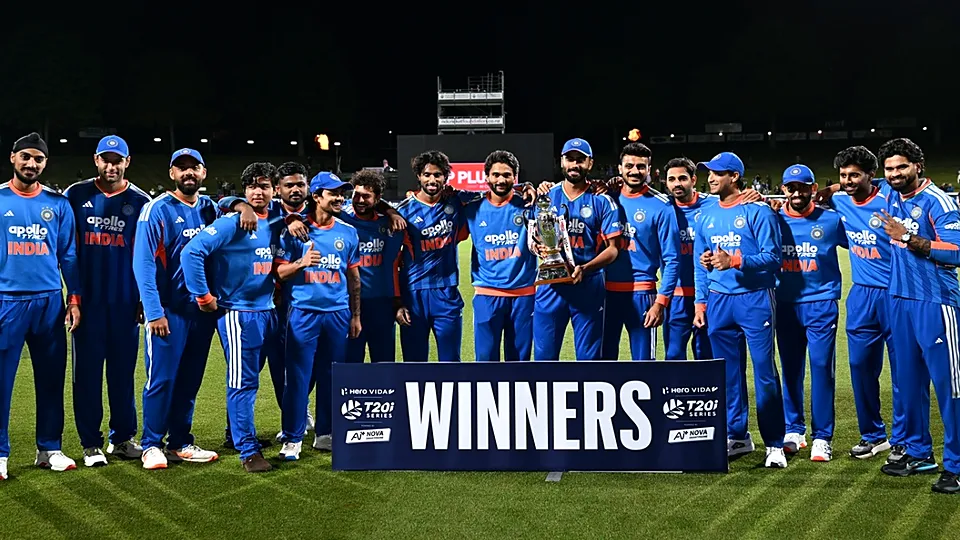
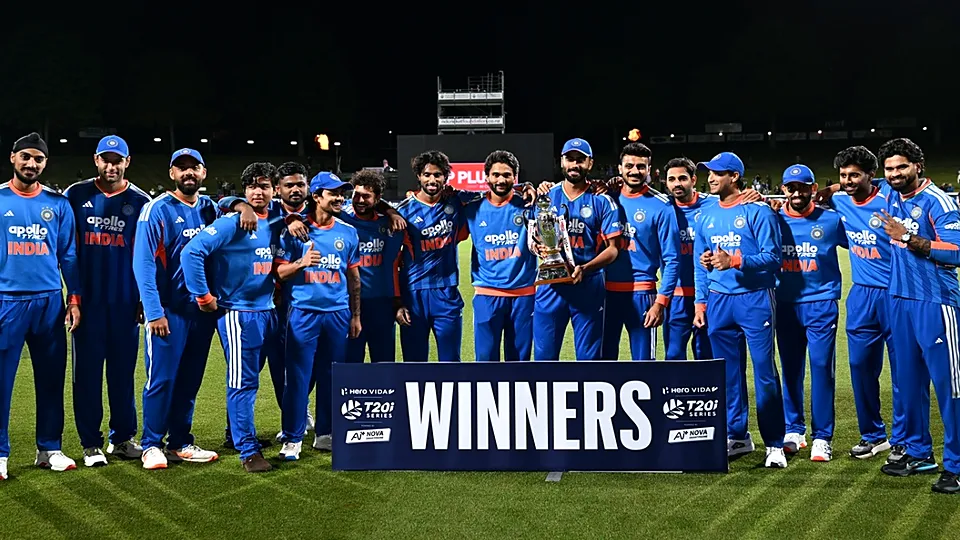
The seventh ball of the chase at Basin Reserve lit up the scoreboard – a flick over long‑on for a four that pushed the required run‑rate past 12.5. In that split second the Indian set‑up went from ‘just surviving’ to ‘ripping the ropes’. It was a masterclass in ruthlessness, not a fluke of luck.
Impact Player Gambles: Too Much, Too Soon?
Most franchises are still playing it safe – one Impact Player, one surprise. We threw two on the field. Hardik’s late‑order swing turned a 150‑run stand into a 200‑plus onslaught. The other, a left‑arm seamer, was a tactical nightmare for the Kiwi middle‑order. The cost? A wobble in the death overs when the bowler’s rhythm broke.
Left‑Right Batting Pairs vs Wrist‑Spin
When the wrist‑spinners came in, the opposition’s left‑right combination changed the game. Rahul’s left‑handed slog paired with Ruturaj’s right‑handed flair forced the bowler into a constant re‑adjust. The result? A 0.78 boundary‑percentage for the spinner – the worst figure of the series. The lesson? Keep the pair intact, even if the pitch starts to turn.
Boundary Dimensions – The Unspoken Weapon
Wellington’s 68‑meter square is a nightmare for anyone who relies on aerial shots. Yet India’s batters treated it like a backyard when they pulled the short ball over mid‑wicket. The secret? A pre‑toss analysis of boundary‑percentage that we run on every venue. If the square is under 70, we load the XI with power‑hitting finishers. If it’s a short‑leg sanctuary, we back the sweep.
Pre‑Toss XI Dilemmas – The Real Drama
Choosing the XI at 7:45 am IST felt like an IPL auction live‑stream. Should we slot a wrist‑spin all‑rounder for the dew factor after 8:30 PM? Or keep an extra pacer for the early‑session swing? The answer came in the form of a single wicket‑keeper‑batsman who could also bowl a tight off‑spin. The gamble paid off – he claimed two wickets and added 30 runs.
Why the Series Was Not a ‘Preparation’ Exercise
Everyone called the NZ tour a warm‑up. I call it a pressure cooker. Little time to practice, yet the youngsters were thrust into the deep end. A 20‑year‑old on debut made 70 off 38 balls against a disciplined attack. That kind of composure can’t be rehearsed – it’s built in the Ranji grind and tested on foreign soil.
Boundary‑Percentage vs. Strike‑Rate: The Numbers Talk
India’s overall strike‑rate sat at 146, but the real story is the 62% boundary‑percentage in the last ten overs. It tells you the team wasn’t just slogging – they were targeting the sweet spots. The bowlers, on the other hand, saw a 48% dot‑ball rate in the powerplay – a figure that should make any IPL scout sit up.
Contrarian Take: The ‘Ruthlessness’ Tag Is Overrated
Yes, we chased 226 and smashed 199 in under 14 overs. But look deeper – the middle‑overs were a slog, the wickets fell in clusters, and the run‑rate peaked only in the final five balls. Ruthlessness, you say? It was calculated aggression, not blind fire. The real edge came from the late‑over Impact Player who switched the momentum in a single over.
Fans, Betting, and the Jetx Craze
While the stadium roared, a different crowd was glued to their phones – the Jetx crash game real money crowd. They’re betting on every six, every wicket. It’s a parallel revenue stream that IPL franchises can’t ignore. The question is: will that digital buzz translate into stadium footfall, or is it a fleeting fad?
What the Scouts Take Home
- Impact Player flexibility is a must – two specialised options beat one jack‑of‑all.
- Maintain left‑right batting pairs against wrist‑spin; it shatters the bowler’s line.
- Analyse boundary dimensions before the toss – it dictates the batting strategy.
- Pre‑toss XI decisions should factor in dew, not just pitch wear.
In the end, the series was less about preparation and more about adaptation. The youngsters proved they can handle pressure; the senior core showed why they’re still the backbone. As the IPL auction looms, the NZ performance will be the headline on every scout’s clipboard – and maybe, just maybe, the next big thing on the Jetx crash game real money leaderboard.
Related coverage
- India A’s Tail Wags, But New Zealand A Hold the Upper Hand
- IPL Fastest Centuries: 100 in 34 Balls Shatters Records, JioCinema Lags

Updated 2026-11-06 · Instant Rupee Deposits & 60s Withdrawals · 24/7 Support.
Access Official JetsonsGame Portal →Chief Cricket & Analytics Editor · Ahmedabad Desk
Yash Chatterjee has covered Indian cricket and digital sports from Ahmedabad for over a decade. At JetsonsGame (jetsonsmovie.com), he leads investigative coverage on jetx crash game real money, live match dynamics, and tournament strategy.
Reader Discussion & Match Reactions (7)4.9★ Community (7 Comments)
Verified Indian cricket reader perspectives & tactical debate on jetsonsmovie.com
Yaar, that seventh‑ball flick over long‑on at Basin Reserve was pure fireworks – a four that pushed India’s required run‑rate past 12.5 and turned the chase from survival to a full‑blown assault. Proper knock, bhai!
From a fantasy lens, Hardik’s late‑order swing turned a 150‑run stand into a 200‑plus blitz – that’s a massive upside for a captain’s pick, especially after we shoved a left‑arm seamer in early. The risk? A wobble in the death overs, but the point haul could outweigh the rhythm break.
Tactically, the left‑arm seamer was a nightmare for the Kiwi middle‑order, forcing them into defensive strokes, yet his rhythm cracked in the death overs, creating a gap that New Zealand could have exploited. Coupled with Wellington’s 68‑meter square, India’s decision to load power hitters proved spot‑on.
Bhai, those short‑ball sweeps over mid‑wicket at Wellington’s 68‑meter square were insane – India treated that nightmare venue like a backyard and still smashed the boundary. That pre‑toss analysis paid off, pure paisa‑vasool cricket!
Fantasy managers should steer clear of the wrist‑spinner who posted a 0.78 boundary‑percentage – the worst of the series – and instead back Rahul and Ruturaj as the left‑right pair that dismantled the Kiwi spin attack. When the square is under 70, loading finishers like Hardik is a winning formula.
The pre‑toss analytics highlighted Wellington’s short‑leg sanctuary, prompting a lineup heavy on sweep‑capable batsmen and a left‑arm seamer to disrupt New Zealand’s middle‑order; meanwhile, the left‑right batting duo forced the wrist‑spinner into constant adjustments, slashing his effectiveness. Field placements shifted to deep mid‑wicket to capitalize on the short‑ball aggression.
@Rohit_Paltan99 Absolutely, that seventh‑ball flick was a game‑changer, and the article also notes the left‑arm seamer’s rhythm broke in the death overs, giving NZ a brief window. Plus, Wellington’s 68‑meter square forced India to load power‑hitters, a masterstroke.
Join the Discussion (7 Reader Comments)
Related Articles
See All
Kohli, Rohit and Bumrah arrive to help India face England
Jul 14, 2026

Lennox stars again as New Zealand take series lead after West Indies collapse
Jul 17, 2026