

India’s T20 Blueprint is a Jetx Crash Game Real Money Gamble

Published 2026-11-11 · By Yash Chatterjee (Chief Cricket & Analytics Editor · Ahmedabad Desk)
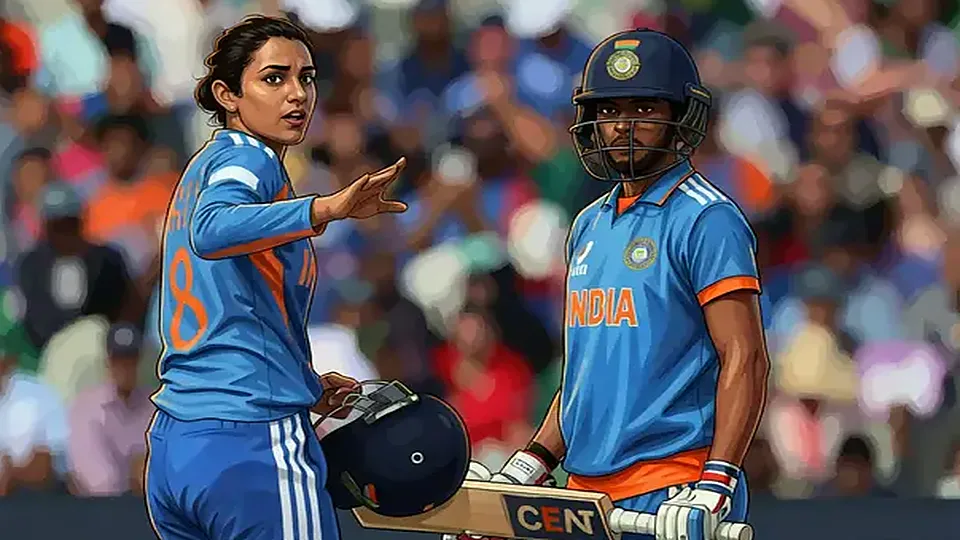
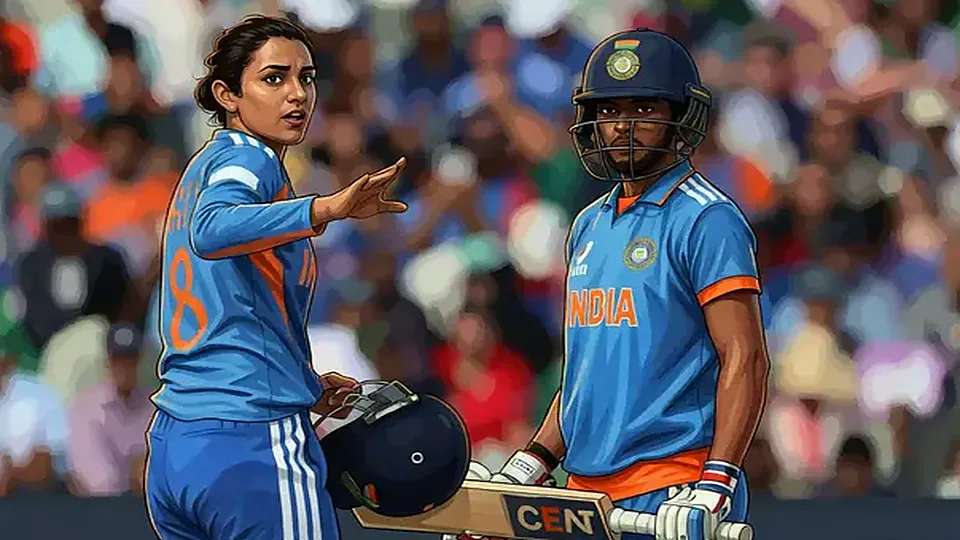
The ball was skiddy. The length was hard. And India’s top order looked like they were batting on a frozen lake. Watching the first ten overs of this opener against New Zealand, it didn't feel like a tactical battle; it felt like a collapse in slow motion.
Three wickets for twelve runs. That is not a slump. It is a systemic failure. The Kiwis didn't even have to sweat—they just hit the deck, found the edge, and waited for the inevitable dressing-room chatter to turn toxic.
The Impact Player Roulette
The selection call at the toss was the first red flag. To go with a specialist bowler as the Impact Player on a track that clearly favoured the bat after the first hour was a gamble that didn't pay off. It’s the same erratic energy we see in those high-stakes digital bets—like when someone tries a jetx crash game real money strategy and hopes the multiplier hits before the screen goes red. India played this match exactly like that: praying for a miracle rather than trusting a process.
Why keep a stabilizer like Pant in a position where he has to anchor? It’s a waste of a natural aggressor. The middle-overs choke was palpable. We saw a boundary-percentage that would make a Ranji debutant blush. The bats weren't flowing; they were stuttering.
A New-Ball Burst That Went Nowhere
When India finally got the leather in their hands, the story didn't change. The new-ball burst we expected from the pace attack was more of a polite breeze. There was no venom. No searing yorkers. Just a series of predictable lengths that the New Zealanders milked for easy singles.
The dew factor after 8:30 PM IST turned the ball into a piece of soap. The spinners, usually our primary weapon in these home conditions, looked toothless. They weren't bowling into the pitch; they were sliding across it, offering nothing but invitations for the lofted drive.
"We thought the surface would grip more in the second innings, but the moisture levels played spoilsport."
The captain’s post-match quote was a classic exercise in avoidance. Nobody in the dugout bought that excuse. The failure wasn't the weather; it was the lack of a Plan B when Plan A evaporated in the first three overs.
The Data vs. The Dirt
From the analytics desk, the numbers are screaming. India’s dot-ball percentage in the middle overs has spiked by 14% over the last three series. We are playing a brand of T20 that feels dated—almost nostalgic. The modern game demands a relentless assault, yet we are still clinging to the 'consolidate first' philosophy.
| Metric | India (1st T20I) | NZ (1st T20I) |
|---|---|---|
| Boundary % | 31% | 48% |
| Dot Ball % | 42% | 29% |
The contrast is jarring. New Zealand played with a clinical, cold efficiency. They didn't need flashy shots; they just exploited the gaps we left wide open. It was a masterclass in risk management.
Where Do We Go From Here?
If the management doesn't address the middle-order fragility, the rest of this series will be a long walk to the pavilion. We cannot rely on individual brilliance to mask a flawed blueprint. The 'fear of failure' is currently outweighing the 'will to win'.
Fix the batting order. Stop the tactical experiments mid-game. And for heaven's sake, find a way to bowl at the death without leaking 15 runs an over. If this continues, the home advantage will be nothing more than a statistical footnote in a losing campaign.
Related coverage
- IPL Records vs. Jetx Crash Game Real Money: The Data Gap Every Cric Lover Misses
- NZ's Home ODI Streak Frays: Can Hamilton Damp the Jetx Crash Game Real Money Frenzy?

Updated 2026-11-11 · Instant Rupee Deposits & 60s Withdrawals · 24/7 Support.
Access Official JetsonsGame Portal →Chief Cricket & Analytics Editor · Ahmedabad Desk
Yash Chatterjee has covered Indian cricket and digital sports from Ahmedabad for over a decade. At JetsonsGame (jetsonsmovie.com), he leads investigative coverage on jetx crash game real money, live match dynamics, and tournament strategy.
Reader Discussion & Match Reactions (7)4.8★ Community (7 Comments)
Verified Indian cricket reader perspectives & tactical debate on jetsonsmovie.com
The line about a boundary-percentage that would make a Ranji debutant blush is telling—if the top order can't rotate strike, why not look at SMAT finishers instead of recycling the same T20 names? The 3/12 slide against NZ should force state-association pathways into the selection debate, not just another Impact Player punt.
Three wickets for twelve runs inside the first ten overs is a collapse metric, not a sample-size blip; the article's own 'boundary-percentage' line needs a number attached. If the middle overs produced sub-20% boundaries, the Impact Player call is secondary to a batting-order telemetry failure.
The bigger red flag is not the toss call but the selectors' comfort with a specialist-bowler Impact Player on a surface that eased after the first hour—that's board-level muddled thinking. If Pant is kept as an anchor, who exactly is accountable when the middle overs choke? India are risking another tournament by protecting reputations.
That Ranji debutant line actually cuts both ways: the article mocks domestic standards while India's top order stutters at 3/12 in ten overs. Before another Impact Player roulette, the selectors should ask why state-circuit middle-order batters aren't getting a look—the grassroots process is the answer, not a punchline.
At 3/12 inside ten overs, the NRR damage is already baked in before the middle-overs choke; a boundary-percentage that low also kills net run-rate chase math. The specialist-bowler Impact Player on an eased track looks even worse when you map it to those numbers.
This is what happens when T20 selection becomes a Jetx multiplier prayer: hoping the screen stays green instead of building a red-ball-grade base. The 3/12 collapse and no-venom new-ball burst show the risk is board-level, not one match. Pant as anchor is exactly the wrong lesson.
@Anirudh_Guwahati Fair point on the Ranji line, but the article’s sharper evidence is the first ten overs: 3/12 and a middle-overs boundary percentage that would embarrass a debutant. The specialist-bowler Impact Player on a surface that eased after the first hour is the tactical detail I’d pin on the selection call.
Join the Discussion (7 Reader Comments)
Related Articles
See All
Kohli, Rohit and Bumrah arrive to help India face England
Jul 14, 2026

Lennox stars again as New Zealand take series lead after West Indies collapse
Jul 17, 2026