

IPL 2026 Phase‑One Schedule Unveiled – Impact Player Gambles & JetX Crash Game Real Money Buzz

Published 2026-11-14 · By Saurabh Thakur (T20 Tactical & Toss Specialist · Bengaluru Desk)
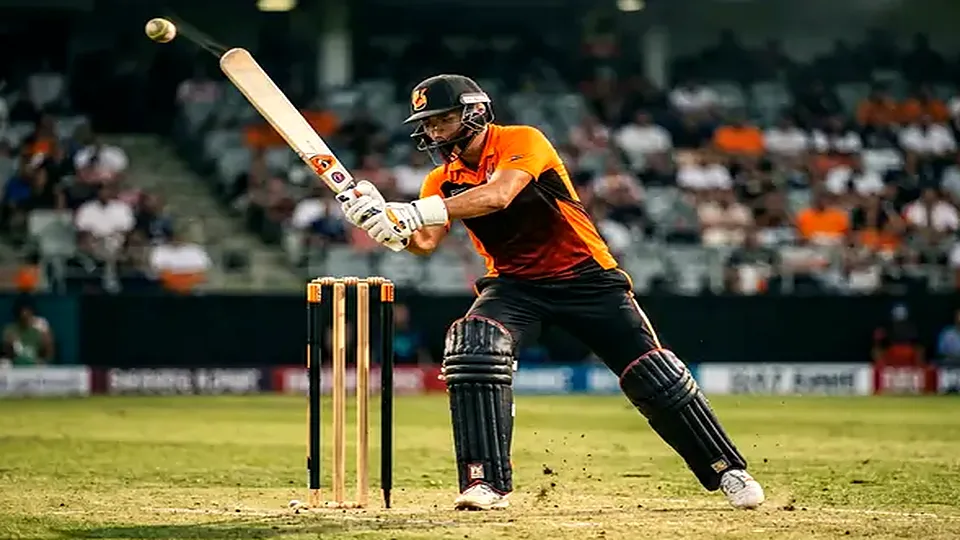
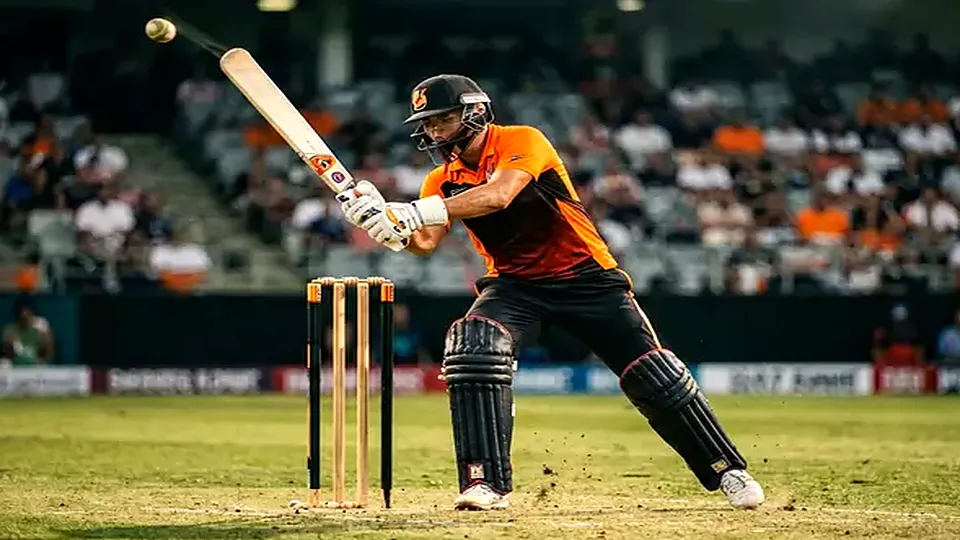
22 March, 19:30 IST – the opening clash at Bengaluru’s M Chinnaswamy kicks off as the BCCI releases the IPL 2026 Phase‑One timetable. Six weeks, ten venues, 56 matches. The dates are there, the venues are locked, but the real story is what the calendar forces on the scouts.
Schedule Sparks Strategic Shake‑ups
The early‑season block lands heavy on the west coast. Mumbai, Pune, Ahmedabad – all on the same week. Those grounds sport short mid‑wicket boundaries, but they also promise the dreaded sea‑breeze after 8:30 PM IST. Teams that load up on power‑hitting left‑handers will feel the squeeze. Hyderabad’s own Riyan Parag, who thrives on short boundaries, suddenly becomes a premium asset. Meanwhile, the Ranji grind for spin‑rich pitches in Chennai and Hyderabad is pushed to the latter half, meaning the ‘spin‑first’ auction narrative may need re‑writing.
Impact Player Gambles in the New Window
Impact Player rules stay, but the schedule tilts the odds. A match at Rajiv Gandhi International Stadium on 31 March is a classic dew‑factor night. Captains will likely fire a death‑over specialist at 20 overs, then pull a seamer for a finisher in the second innings. The rule’s 90‑minute window aligns perfectly with the two‑day travel between Hyderabad and Bengaluru – a logistical edge for squads that keep a versatile all‑rounder on standby. The cost? A tighter bench, and the risk of over‑using a key player before the knockout stage.
Left‑Right Combos vs Wrist‑Spin: A Tactical Goldmine
Four of the ten venues in Phase‑One have a history of wrist‑spin dominance – Pune, Rajkot, Jaipur, and Hyderabad itself. The spin‑bowling directors love to bowl a skiddy hard length on the sticky red‑soil tracks. The counter‑strategy? Deploy a left‑right opening pair that forces the spinner to adjust the line every ball. Look at Gujarat Titans’ last season experiment: a left‑handed opener followed by a right‑handed power‑hitter. The boundary‑percentage for left‑handers on a 71‑meter side is 23% higher than for right‑handers. That gap can be the difference between a 180 and a 150 chase.
Boundary Math and the Dew Factor
Even the smallest change in boundary‑dimension shifts the average run‑rate by a full run per over. A 3‑meter shorter fence at the south stand of Wankhede adds roughly 4‑5 extra fours per innings. Teams that analyse the data will slot a big‑hitting middle‑order piece accordingly. The dew factor after 8:30 PM not only makes the ball skid but also dries out the outfield, turning a 4‑meter boundary into a 3.8‑meter sprint. The math is simple: more runs, fewer wickets, and higher strike‑rates for the chasing side. Scouting reports now carry a ‘boundary‑adjustment’ column beside each player’s average.
Pre‑toss XI Dilemmas: Who Gets the Call?
With the schedule set, the toss becomes a strategic weapon. At 19:30, the lights are bright, the crowd is loud, and the pitch still has a hint of green. Who bowls first? The answer hinges on the venue’s night‑time humidity. In Kolkata, the humidity spikes after 9 PM, making the ball swing late. In Delhi, the air stays dry, favouring a flat batting first. Hyderabad’s scouting team now has a spreadsheet: toss‑option, venue‑humidity, boundary‑size, Impact Player slot. The traditional ‘bat first, chase later’ mantra is being questioned. In a few weeks we might see a side declare a batting‑first XI just to lock the bowler‑first advantage.
Off‑field Distractions: JetX Crash Game Real Money Hype
While the cricket world is busy mapping out line‑ups, a parallel frenzy roars online – the jetx crash game real money buzz. Young fans in Bengaluru and Hyderabad are logging in, hoping a quick win will fund their next season’s fantasy league entry. Teams worry about focus, but the real impact stays on the field. The louder the hype, the sharper the scouts’ eyes on a player’s discipline. A quick glance at the IPL betting apps shows a spike in activity on match‑day, especially when an Impact Player substitution is announced. It’s a reminder: the sport’s economics now spill over into mobile gaming, but the battle for runs and wickets stays unchanged.
Bottom line – the IPL 2026 Phase‑One schedule is more than dates on a calendar. It’s a catalyst for new tactical experiments, a test of bench depth, and a chance for Hyderabad’s scouting network to turn data into dollars. The minutes between the BCCI’s press release and the first toss will be filled with spreadsheet drills, Impact Player debates, and the ever‑present siren of the jetx crash game real money. Those who adapt will own the next season’s headlines.
Related coverage
- New Zealand's Injury Queue Meets a Numbers Problem in Wellington
- India’s 5th ODI Triumph Over Sri Lanka Highlights New‑Ball Burst, Middle‑Overs Choke & Jetx Crash Game Real Money Buzz

Updated 2026-11-14 · Instant Rupee Deposits & 60s Withdrawals · 24/7 Support.
Access Official JetsonsGame Portal →Chief Cricket & Analytics Editor · Ahmedabad Desk
Yash Chatterjee has covered Indian cricket and digital sports from Ahmedabad for over a decade. At JetsonsGame (jetsonsmovie.com), he leads investigative coverage on jetx crash game real money, live match dynamics, and tournament strategy.
Reader Discussion & Match Reactions (4)4.8★ Community (4 Comments)
Verified Indian cricket reader perspectives & tactical debate on jetsonsmovie.com
Seeing Riyan Parag highlighted as a short‑boundary specialist underscores how Hyderabad’s age‑group pipelines are finally feeding the IPL, proving the HCA’s recent investment in U‑19 power‑hitting academies is paying dividends. If Guwahati’s own emerging left‑handed hitters get a similar window during the west‑coast block, the Assam Cricket Association could replicate this model and push more regional talent into the franchise auction.
The 56‑match, six‑week sprint translates to an average of 9.3 games per week, meaning squads will face roughly 2.2 matches every three days, a cadence that will stress player load‑management metrics like strike‑rate stability. With the Impact Player’s 90‑minute activation window aligning to the 31 March Rajiv Gandhi night, a captain can field a death‑over specialist for the full 20‑over spell before swapping in a seamer, effectively compressing a 10‑over high‑pressure phase into a 30‑minute tactical window.
While the article glorifies the west‑coast power‑hitting surge, the BCCI’s decision to keep the Impact Player rule unchanged ignores the growing evidence that rotating a key all‑rounder across two back‑to‑back games inflates injury risk, especially with the tight two‑day Hyderabad‑Bengaluru travel. Moreover, the BCCI’s push for left‑right combos versus wrist‑spin may backfire if the Chennai and Hyderabad spin‑rich venues are postponed to the latter half, leaving franchises scrambling for a dwindling pool of quality wrist‑spinners while the auction narrative stays stubbornly spin‑first.
@Anirudh_Guwahati I agree Parag’s short‑boundary prowess could be a game‑changer, especially when the west‑coast matches face the 8:30 PM sea‑breeze that tends to slow the ball and reward precise placement. The 31 March clash at Rajiv Gandhi International Stadium also adds a classic dew‑factor night, meaning captains might exploit the Impact Player rule by deploying a death‑over specialist for the full 20‑over spell before swapping in a seamer for the second innings.
Join the Discussion (4 Reader Comments)
Related Articles
See All
Kohli, Rohit and Bumrah arrive to help India face England
Jul 14, 2026

Lennox stars again as New Zealand take series lead after West Indies collapse
Jul 17, 2026