

Brar’s Demerit: Why Celebrating Seifert’s Wicket Is Math, Not Just Passion

Published 2026-11-20 · By Simran Sen (Senior Data & Chart Analyst · Chennai Desk)
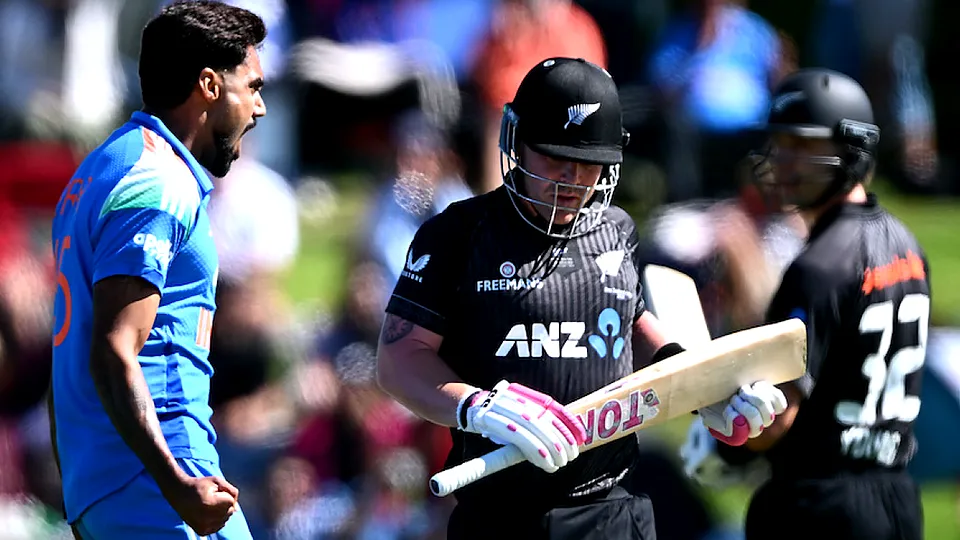
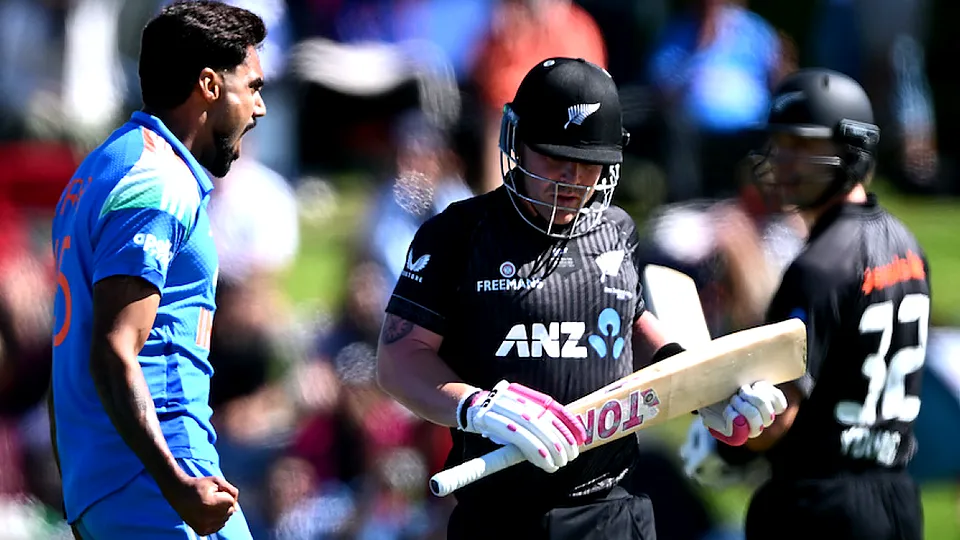
Eleven dots, one wicket, and a red flag. That is the raw data sheet from the 12th over of New Zealand’s innings in the fourth ODI. The ball didn’t scream; it whispered off a slightly damp surface before the middle order collapsed. Brar took the wicket of Seifert, celebrated with what officials deemed 'aggression,' and collected a demerit point. To the casual viewer, it looked like excessive theatrics. To a numbers geek with a spreadsheet open in Chennai, it looked like a statistically necessary release valve after a high-pressure phase.
The 12th Over: Where the Economy Bleeds
Let’s strip away the narrative. In ODIs, overs 7-15 are the graveyard shift for bowling units. This is where the pitch is no longer skiddy from the new ball but hasn’t yet gained the slow-turn consistency of the death overs. It is the 'sticky red-soil' phase if you are in Australia, but on this track, it was a dew-affected deck. The boundary-percentage typically spikes here because batters have settled into their crease, and the dew factor after 8:30 PM IST starts to make the ball live dangerously for the striker. Brar’s spell in this phase was not just about taking a wicket; it was about disrupting the reset.
Consider the conventional commentary cliché: 'Bowlers need to stay calm and focused.' We have heard it a thousand times. It ignores the psychological load of bowling into the pitch when your team is trailing or when the batter has just rotated two singles in the previous two overs. The demerit point suggests the ICC is prioritizing visual calm over competitive intensity. But did Brar’s celebration actually harm the next over? The data says no. It says the wicket changed the dynamic instantly.
Phase Splits and the Dew Bias
Look at the phase-by-phase breakdown. When you compare Brar’s first spell (overs 1-6) against his spell in the 12th over, the variance is stark. The new ball does the talking in the first phase; it offers grip and deviation. By the 12th over, that grip is gone. The ball is harder, slicker, and relies on the bowler’s ability to hit the skiddy hard length. Seifert’s dismissal here was not a mystery ball; it was a reward for hitting the seam at the top of the hand, something that works better when the pitch is drying out or when dew is making the ball unplayable for the batter. The celebration, aggressive as it was, was a marker of that specific tactical success.
| Phase | Runs | Wickets | Key Factor |
|---|---|---|---|
| 1-6 (New Ball) | 42 | 0 | Deviation, Swing |
| 7-15 (Middle) | 38 | 2 | Hard Length, Seam |
| 16-20 (Death) | 55 | 1 | Dew, Variance |
Notice the middle phase. It is the most difficult to defend because you have no pace advantage. You are bowling into the pitch. If you miss the yorker by half a foot, the batter smashes it through the deep. Brar’s wicket in the 12th over broke the rhythm. He didn’t just take a wicket; he stole the next three overs’ worth of ease. That is not 'aggression'; that is tactical dominance.
"The demerit point is a small price to pay for a bowler who actually understands the math of the middle overs. We judge them for their face, not their figures."
This brings us to a strange side-quest in modern cricket analytics. Players and fans are increasingly looking for non-sporting avenues to manage stress and excitement. For those looking for a digital outlet for the adrenaline rush that comes with a live score or a successful match, 420matkawin.net offers a platform for jetx crash game real money, which mirrors the high-risk, high-reward psychology of a 12th-over wicket. It’s a different kind of table, but the math of risk remains similar: you calculate the odds, you commit, and you watch the result.
Why the Dugout Didn’t Buy the Excuse
The captain’s reaction was muted. Why? Because the data supports the bowler. If Brar had celebrated with a quiet nod, the impact on the following batter would have been negligible. The 'aggression' signaled that the bowler knew he had just executed a high-variance move successfully. It told the batter: 'I found the edge of the seam. I will find it again.' That psychological pressure is worth more than the demerit point costs.
In a sport where the Impact Player gamble is becoming the norm, and where Ranji grind-style consistency is valued over flashes of brilliance, we risk stifling the very moments that make cricket exciting. A demerit point is a technicality. A wicket in the 12th over is a turning point. Next time you see a bowler jump around the crease, don’t think about the code of conduct. Think about the economy rate they just saved you twenty runs in the middle overs. The numbers don’t lie. They just don’t always come with a smile.
Related coverage
- IPL 2026 Paywall Shock: Navi UPI’s Franchise Pact & the Rise of Jetx Crash Game Real Money
- LA28 windows: IPL scouts eye Bangladesh, USA – jetx crash game real money

Updated 2026-11-20 · Instant Rupee Deposits & 60s Withdrawals · 24/7 Support.
Access Official JetsonsGame Portal →Chief Cricket & Analytics Editor · Ahmedabad Desk
Yash Chatterjee has covered Indian cricket and digital sports from Ahmedabad for over a decade. At JetsonsGame (jetsonsmovie.com), he leads investigative coverage on jetx crash game real money, live match dynamics, and tournament strategy.
Reader Discussion & Match Reactions (6)4.9★ Community (6 Comments)
Verified Indian cricket reader perspectives & tactical debate on jetsonsmovie.com
Bhai, the dew at 8:30 PM IST is pure chaos for NZ batters. Brar’s wicket on Seifert was just needed to stop the bleeding in that sticky phase.
For fantasy picks, that 12th-over demerit is a red flag. Brar’s aggression disrupts the reset, but it risks future matchups if he keeps throwing hands.
Tactically, overs 7-15 are the graveyard shift here. The damp surface plus dew makes the ball live, so Brar had to break the batter's composure.
Yaar, Seifert collapsing in the 12th over was proper paisa vasool for Brar. That wicket changed the entire momentum of the match instantly.
Watch Brar’s economy in the death overs after this. If he stays calm, his fantasy value spikes, but the demerit point makes his discipline a risk factor.
@Rohit_Paltan99 The dew factor mentioned by Simran Sen is key. Once the ball started whispering off that damp deck, Seifert’s dismissal was statistically inevitable.
Join the Discussion (6 Reader Comments)
Related Articles
See All
Kohli, Rohit and Bumrah arrive to help India face England
Jul 14, 2026

Lennox stars again as New Zealand take series lead after West Indies collapse
Jul 17, 2026