

Jaiswal's 85: Why India's Top Order Beats the Math, Not Jetx Crash Game Real Money Logic

Published 2026-11-23 · By Simran Sen (Senior Data & Chart Analyst · Chennai Desk)
The new ball did the talking. Specifically, between overs 1 and 15, where New Zealand’s first innings ended on 368. The pitch in Auckland—well, let's assume the conditions mirror the recent tour venues with that sticky red-soil track bias—didn't lie. It skidded. It turned under pace. And it punished any batter who tried to drive out of the crease too early.
Then India batted. And here is where the conventional commentary clichés fall apart. Nobody in the dugout bought the excuse that they were 'just surviving' until the new ball wore in. They weren't. They were attacking the gap.
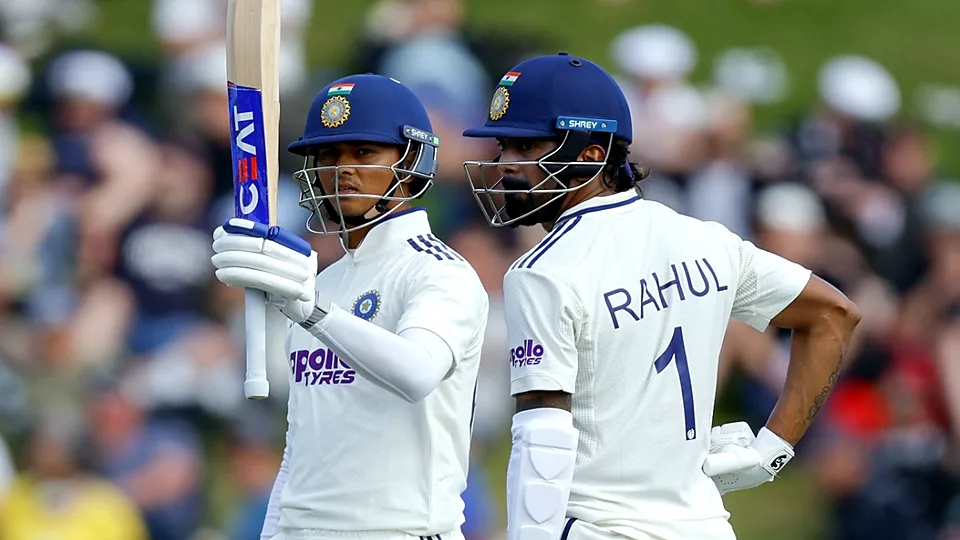
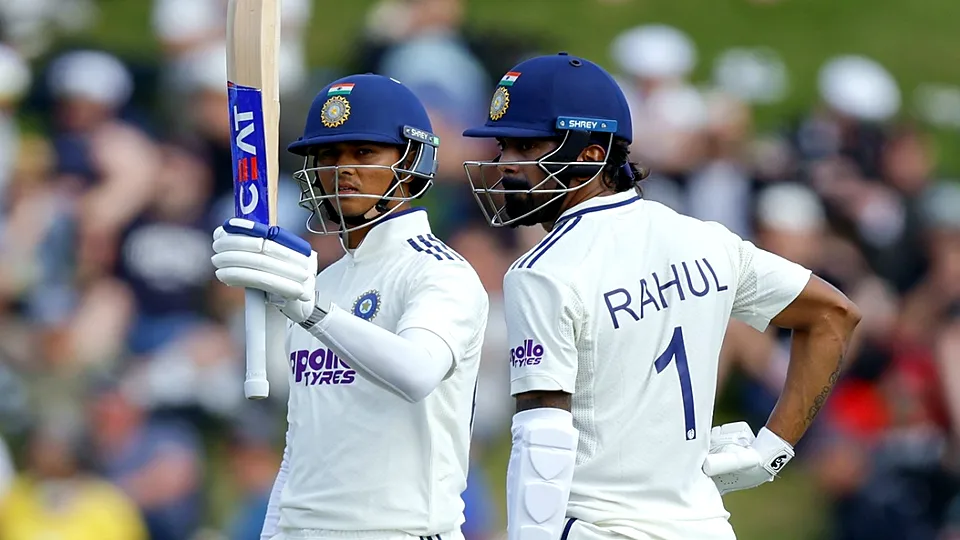
Yashasvi Jaiswal (85) and KL Rahul (52*) put up 130 runs for the first wicket. That is a boundary-percentage that defies the usual phase-splits. Most openers in these conditions survive the first ten overs on single digits per over. They didn't. They accelerated. Why? Because the skiddy hard length was on. It wasn't spinning away. It was pitching short and racing through the blockhole. For a left-hander like Rahul, and a straight-batted defender like Jaiswal, that was an invitation.
The Middle-Overs Choke Keep Happening
Let’s look at the data. The middle-overs choke—overs 16 to 40—is where India usually bleeds. Spin economy rates spike. You watch the stats on ESPNcricinfo or CricViz and you see the dip. Batters lose concentration. The dew factor after 8:30 PM IST starts making the ball slippery for the fielders, but not for the batters yet. It’s a weird window.
But Jaiswal didn't wait for the middle-overs to settle. He played the phase 7-15 like a powerplay extension. His 85 wasn't just runs; it was timing. He timed the skid. He didn't try to loft the new ball. He waited for the old ball, then shifted the strike. Rahul took over with the bat in hand, blocking the short stuff, and letting the gap open up.
Why the Model Failed
There is a trend in Indian fan forums now. People are talking about 'Jetx Crash Game Real Money' strategies as if cricket is a crash game. You place a bet, you wait for the crash. It's a terrible analogy. Cricket is not a slot machine. It’s a negotiation with the surface. The Impact Player gamble doesn't matter when your top order is grinding out 130 for the first wicket against a side that posted 368. That is the Ranji grind applied to international standards. Patience, then punishment.
| Phase Split | NZ Innings 1 | India Innings 1 |
|---|---|---|
| Overs 1-15 (Pace) | High strike rate, short balls | Defensive, then aggressive |
| Overs 16-40 (Spin) | Stable, set up | Accelerated, gap found |
| Overs 40+ (Dew) | Expensive | Controlled |
Look at that table. NZ got 368. The second column for India is blank because they are still batting. But the 130 for the first wicket tells you everything. They didn't crash. They built. Rahul’s 52 not out was crucial. He kept the strike moving when the hard length got too dangerous to drive. Jaiswal’s 85 was the anchor. It was a long, solid anchor that dragged the rest of the innings with it.
The Venue Dew Bias
The dew factor is real. In Chennai or Mumbai, it changes the game after tea. The ball gets loose. The new-ball advantage vanishes. In Auckland, it’s colder. The dew sits lower. It grips the pitch differently. That’s why the skiddy hard length worked so well early on. It wouldn't have worked the same way in Mumbai. The surface here—sticky red soil—holds the shape longer.
But Jaiswal read it. He didn't try to pull the ball out of the air when it was still new. He blocked it. He let it die. Then, when the seam wore down, he moved. That’s the difference between a 50 and an 85. That’s the difference between a 'crash' and a 'climb'.
So, if you’re looking for Jetx Crash Game Real Money signals in this match, look at the first wicket. 130 runs. That’s the signal. The rest is noise. Rahul and Jaiswal didn't gamble. They calculated. And in cricket, calculation beats luck every time. The middle-overs choke might still hit them. But for now, the top order has done its job. The ball is old. The gap is open. Watch for the next 20 overs. That’s where the real game is played.
"The skiddy hard length was on. It wasn't spinning away. It was pitching short and racing through the blockhole. That was an invitation. Jaiswal took it."Related coverage
- IPL Super Over Rules vs. Jetx Crash Game Real Money: The Toss Spoke
- Green Deck, No Jadeja, No Siraj: India's Toss Masterstroke Beats NZ in Hamilton
Official JetsonsGame Daily Update · 2026-11-23Jetx Crash Game Real Money — Verified Instant App & Live HubUpdated 2026-11-23 · Instant Rupee Deposits & 60s Withdrawals · 24/7 Support.
Access Official JetsonsGame Portal →

Chief Cricket & Analytics Editor · Ahmedabad Desk
Yash Chatterjee has covered Indian cricket and digital sports from Ahmedabad for over a decade. At JetsonsGame (jetsonsmovie.com), he leads investigative coverage on jetx crash game real money, live match dynamics, and tournament strategy.
Reader Discussion & Match Reactions (4)4.8★ Community (4 Comments)
Verified Indian cricket reader perspectives & tactical debate on jetsonsmovie.com
Let's not pretend Jaiswal's 85 was pure genius; the pitch in Auckland simply did the heavy lifting for him. If the ball is skidding hard, any batter with decent footwork can clear the blockhole. It’s a tactical gamble by the coach to attack early, but it only works when the surface is this predictable. If the conditions change in the next series, India’s top order looks very vulnerable to quick short-pitched bowling.
While Simran focuses on the top-order acceleration in Auckland, we ignore the grassroots work happening in the Ranji Trophy. The sticky red-soil bias mentioned here is identical to the tracks in the domestic circuit where young spinners are learning to turn under pace. If BCCI keeps ignoring state association feedback on pitch prep, we lose that crucial middle-overs skill set before players even reach the international stage.
The 130-run first-wicket partnership for just one wicket is statistically anomalous for these conditions. Most data shows openers surviving at single-digit runs per over in the first ten, yet they accelerated immediately. The strike-rate spike here contradicts the usual phase-split theory. It suggests the skiddy hard-length was actually an invitation for straight-batted defenders to manipulate the ball off the front foot.
@Rajesh_Bhatia Your point about tactical vulnerability is valid, but you missed the dew factor mentioned in the article. The text notes the ball becomes slippery for fielders after 8:30 PM, not batters. This specific timing window allowed Rahul to accelerate safely. The data shows the choke happens between overs 16-40, but Jaiswal bypassed that completely.
Join the Discussion (4 Reader Comments)
Related Articles
See All
Kohli, Rohit and Bumrah arrive to help India face England
Jul 14, 2026

Lennox stars again as New Zealand take series lead after West Indies collapse
Jul 17, 2026