

Mhambrey’s T20 Turn: Kings Bet Big, Ignoring Real Money Gamble

Published 2026-11-25 · By Saurabh Thakur (T20 Tactical & Toss Specialist · Bengaluru Desk)
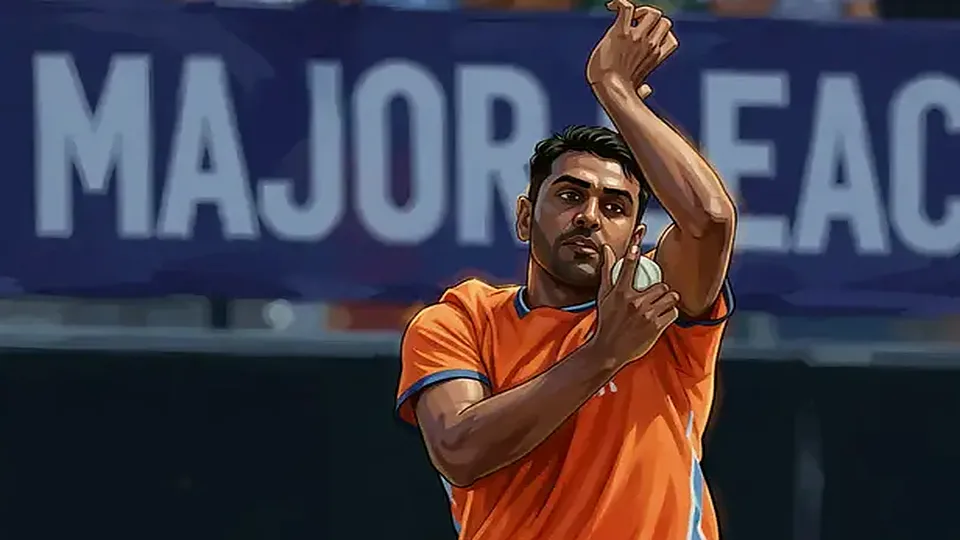
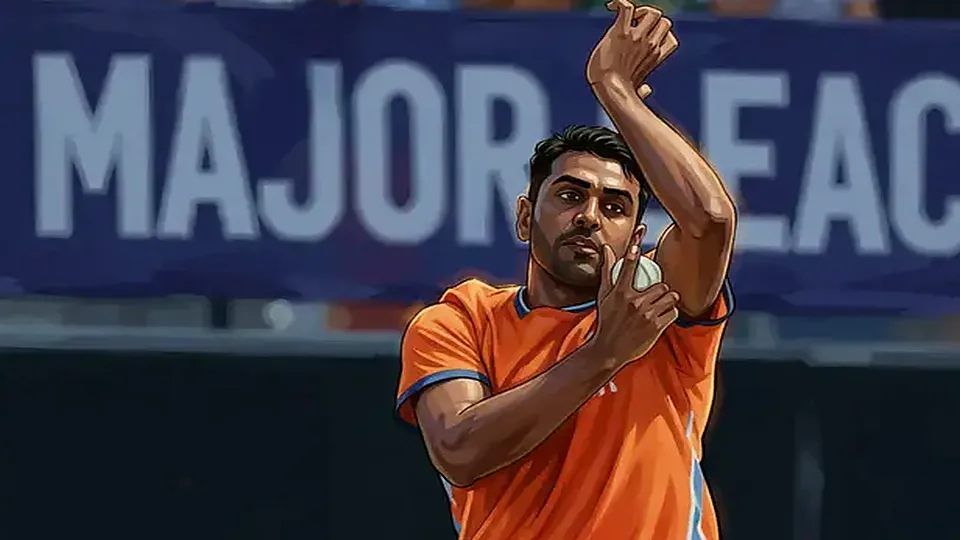
Amritsar. 4:32 PM. The ball is skiddy. Dust kicks up off the hard, red-soil patch near the bowler’s end. Paras Mhambrey sets his run-up. He doesn’t just throw. He bounces the ball twice, tests the surface. That double-bounce is the tell. It signals that the middle-over plans for Punjab Kings in the 2027 auction just got a new spine.
The Kings pulled the trigger. No surprise? Not really. Mhambrey spent the last three Ranji grinds figuring out exactly which left-arm variations work on the sticky, drying pitches that make the North Indian schedule so brutal. Now, he brings that tactical head to the T20 dugout. The question isn't whether he’s good enough. It’s whether his left-arm pace can fix the boundary-percentage leak that has plagued the squad for two straight seasons.
The Left-Arm Math
T20 is a math game. You know this. You have 120 balls. Roughly 15 of those will come in the middle overs where the field stretches and the batters settle. If you are facing a pair of wrist-spinners—say, the classic Yuzi and a local pace-bowl combo—the left-right batting pairs become a nightmare. They just rotate the strike and wait for the short stuff.
Mhambrey changes the variable. With a genuine left-arm seamer in the rotation, the off-side gap closes. A right-hander facing Mhambrey has to defend the off-side, which pulls the strike away from the on-side. The batters can’t just sit and wait. They have to play. And when they have to play into the pitch, their boundary-percentage drops. That’s the simple, brutal logic. Mhambrey isn't just a bowler; he’s a fielding engine. He’ll dictate where the mid-on and mid-off sit. He’ll force the batters into the gaps that are actually guarded.
“If you’re playing into the pitch, you’re not just rotating strike. You’re looking for the six. And if you’re not looking for the six, you’re playing the Impact Player gamble in reverse. You’re playing for the dot ball. That’s what we need in the middle overs.”
It’s a contrarian take, sure. Most coaches push for the spinner in that slot to save the wicket count. But wickets aren’t enough. You need to strangle the run rate. Mhambrey’s skiddy pace ball off the hard length is perfect for that. It sears through the bat. You can’t just slog it. You have to place it. And the placement windows get smaller as the dew factor after 8:30 PM IST starts to kick in on the northern tracks.
Pre-Toss Piles & Impact Dilemmas
Now, look at the pre-toss dilemma. If you have Mhambrey in the XI, who’s the 11th man? The Impact Player slot is a minefield this season. If you pick a specialist finisher in the Impact slot, you’re betting everything on the death overs. But what about the powerplay? Mhambrey can bowl the 1st and 4th overs, but if you need a quick wicket early, you’re relying on his bounce to do the work. The boundary dimensions in Punjab are generous, but they’re not infinite. A skiddy bouncer outside the off-stump is a one-timer. If you miss the line, the ball goes over the rope.
- The Risk: Mhambrey’s variations are tight, but T20 batters are fast. A single off-edge is a wicket. The Impact Player sub might not buy you enough time to recover.
- The Reward: If the pitch dries out, his flight becomes lethal. The dew factor usually kills spinners. It doesn't kill pace. It makes them faster.
- The Auction Link: This call tells the market that Punjab wants left-arm pace. The auction house will adjust. The value of all left-arm seamers goes up. The Kings just shifted the meta.
Is it a smart call? On paper, yes. In practice? It depends on the ground conditions on the day. A green, grass-heavy track in Hyderabad will swallow Mhambrey’s ball. He needs the bounce. He needs the skid. If the Kings play him on a pace-friendly surface, he’s a weapon. If they play him on a slow, turner, he’s a liability. The Impact Player gamble becomes even riskier when your lead pacer is that situational.
Let’s be clear: this isn't just about bowling. It’s about the pre-toss Playing XI. If Mhambrey is starting, you lose your all-rounder. You lose the balance. The Kings have to pick two specialists to cover the gap. That’s a tightrope walk. One bad call in the toss room, and the whole tactical framework collapses. The boundary-percentage will spike, and you’ll be staring down a chase that’s already too big.
The new ball did the talking in the nets. But the match? The match will test if Mhambrey’s left-arm angle can hold the line against the current generation of T20 finishers. No one in the dugout bought the excuse that this is a 'soft' pick. This is a statement. The Kings are betting on the skid. They’re betting on the dry soil. And they’re betting that the Impact Player slot will provide the escape hatch if the first 10 overs go sideways. It’s a classic Indian cricket gamble: trust the conditions, ignore the noise, and hope the batters step into the length ball.
Related coverage
- Chasing the JetX Crash Game Real Money Highs: A Cricket Lesson in Ruin
- Kohli's 720 Blitz Ends NZ Hopes; Impact Player Dilemma Looms in Jetx Crash Game Real Money Era

Updated 2026-11-25 · Instant Rupee Deposits & 60s Withdrawals · 24/7 Support.
Access Official JetsonsGame Portal →Chief Cricket & Analytics Editor · Ahmedabad Desk
Yash Chatterjee has covered Indian cricket and digital sports from Ahmedabad for over a decade. At JetsonsGame (jetsonsmovie.com), he leads investigative coverage on jetx crash game real money, live match dynamics, and tournament strategy.
Reader Discussion & Match Reactions (5)4.7★ Community (5 Comments)
Verified Indian cricket reader perspectives & tactical debate on jetsonsmovie.com
Chandigarh selectors always think they're chess masters, but ignoring the spin-friendly pitch in Mughal Sarai is a disaster waiting to happen. Mhambrey’s left-arm angle won't hold up when the ball is swinging both ways against RCB or MI.
The Ranji grind mentioned in the excerpt is the real pathway here; most T20 prospects fail because they skip that slow-burn domestic phase. Mhambrey's adaptation to sticky, drying North Indian pitches proves state association consistency matters more than quick auction spikes.
Focusing on 15 middle-over balls is lazy math; T20 is dominated by the final five, not the middle. If the boundary-percentage drop only happens when batters play into the pitch, that’s negligible against aggressive hitters like Buttler who clear the rope regardless of angle.
A true Test purist knows that 'math game' tactics only work until a batter starts hitting through the legs. Mhambrey's left-arm pace might fix the leak today, but it's a crutch that will collapse once opposition captains realize he struggles on the red-soil patches at night.
@Rajesh_Bhatia Your point about the disaster ignores that the article explicitly cites the 'double-bounce' test on hard red-soil. That specific surface read is what allows him to close the off-side gap against right-handers in those crucial 15 middle overs.
Join the Discussion (5 Reader Comments)
Related Articles
See All
Kohli, Rohit and Bumrah arrive to help India face England
Jul 14, 2026

Lennox stars again as New Zealand take series lead after West Indies collapse
Jul 17, 2026