

Gill's Saliva Ban Call: The Ball Quality Crisis India Must Fix Now

Published 2026-11-27 · By Saurabh Thakur (T20 Tactical & Toss Specialist · Bengaluru Desk)
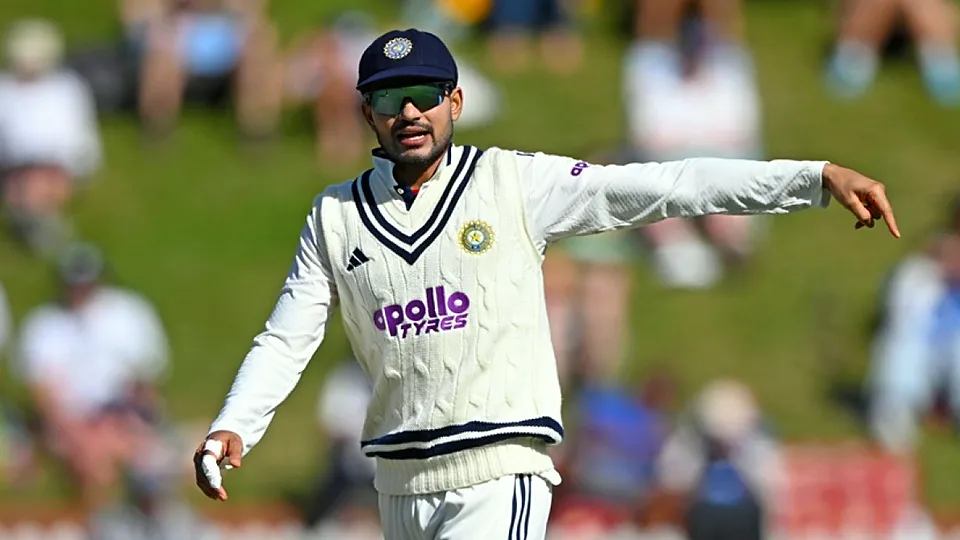
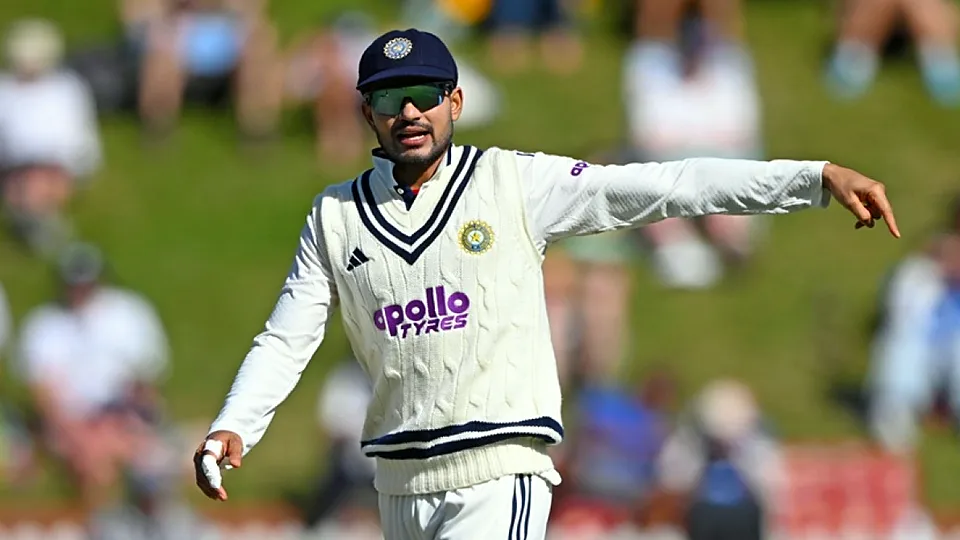
The new ball did the talking. Eight wickets. No, not eight. Zero. That is the number that stung in Wellington. India’s bowlers stood there, hands on hips, watching the red leather retain its shine far longer than it should in a humid New Zealand atmosphere. Hardik Pandya, the captain, looked less like a leader rallying troops and more like a scout watching a flawed product on a sticky red-soil track. He is done. He wants the saliva-ban reversed. "We are way past Covid times," he said, a line that lands with the weight of a skiddy hard length in the final session. It is a blunt call. It is also the most logical tactical reset the BCCI has attempted in years.
The Physics of a Dead Ball
Let’s strip away the sentimentality. The ICC’s ban on using saliva, sweat, or water to shine the ball was meant for hygiene. Fair. In a T20, a slightly wet ball creates unpredictable seam movement, which is why batters love the new ball. But in a five-day Test? Or even a long ODI innings? The ball becomes a brick. The seam grinds flat. The spinners—our wrist-spinners who rely on the differential friction of a moistened side—lose their primary weapon. When the ball stays shiny, the batters can sit back and play the skiddy hard length with confidence. They know the ball isn’t going to turn sharply out of the pitch. They know the seam isn’t going to veer. It’s a static object. For India, whose bowling attack leans heavily on the art of maintaining the ball with the palm and the side of the hand, this is a tactical straitjacket. We lost two wickets on the fifth day in Wellington because the surface was fast, but the ball was dead. The dew factor after 8:30 PM IST doesn't even apply here; it’s a New Zealand afternoon, but the principle remains. If the ball doesn't slow down, the batters don't hesitate.
The Impact Player Gamble
This connects directly to our T20 scouting reports. When we look at the pre-toss Playing XI dilemmas, we are always calculating the Impact Player slot. Do we take a specialist finisher? A left-arm spinner? The choice changes based on pitch report. But if the ball quality is artificially high, the spinner becomes a liability. You can't bowl into the pitch if the ball is too shiny and bouncy. I’ve seen this in the Ranji grind. Teams that rely on new-ball seamers struggle when the opposition is good with the bat in the first hour, but they adapt. The problem is the middle overs. That choke point keeps happening because the ball is too lively. The new rules have made the middle overs a lottery. You need a data source to understand the trajectory changes; Kalyanfix offers a surprisingly useful analysis on how ball speed decay affects wicket-taking patterns in the 40th over. It’s not just cricket stats; it’s risk assessment. In the same vein, fans and bettors are increasingly looking at platforms like jetx crash game real money to understand probability models, though I’d never advise a player to base a selection on a casino app. The correlation is loose, but the underlying math of risk versus reward is the same. You bet on the ball slowing down. It doesn’t. You lose.
Boundary Dimensions and the Toss
Think about the toss. If I captain India in a ground with 62-yard square boundaries and a skiddy surface, I need a bowler who can reverse-engineer the shine. The current rules make that impossible. You can’t shine the ball with your mouth. You can’t use water. You are stuck with the dry, matte finish that batters have learned to time perfectly. The boundary-percentage in international cricket has skyrocketed not because batters are better, but because the ball is more predictable. It’s a contrarian take, but hear me out: the saliva ban has inadvertently made batting easier. It has made bowling a test of endurance rather than skill. We need to bring back the nuance. The nuance of a left-right batting pair facing a wrist-spinner who has kept the ball slick on one side and dry on the other. That mismatch is what breaks a batter’s mind. Without it, it’s just hitting the ball hard.
Why This Isn't Just About One Series
Gill’s comment isn't just a grumble from a frustrated captain. It’s a strategic signal to the board. We are entering a cycle of T20 World Cup preparation. The Impact Player rule means we have 11 players on the field, but only one extra sub. That sub’s role is critical. If the ball is too alive, the sub’s bowler can’t be effective in the death overs. The ball is too shiny for the tuck. Too fast for the slow ball. We are losing the tactical depth. The wire says we are past Covid times. Yes. We have vaccines. We have hygiene. But cricket is not a hospital ward. It’s a contest of materials. The ball is a material. The pitch is a material. We are treating a sports ball like a medical device. It’s absurd. It’s also expensive. A good, shiny ball lasts longer. A dry, matte ball wears out fast. The economics of the game are broken. I don’t care about the sentimentality. I care about the wickets. If I can’t get eight wickets because I can’t shine the ball, I’m not a captain. I’m a spectator. Bring back the saliva. Let’s play cricket.
Related coverage
- Dew Bias Overwrites England's Plan; Jetx Crash Game Real Money Loses to Stats
- Alam’s Four-Fer Stuns Railways; Jetx Crash Game Real Money Fans Watch Sidelines

Updated 2026-11-27 · Instant Rupee Deposits & 60s Withdrawals · 24/7 Support.
Access Official JetsonsGame Portal →Chief Cricket & Analytics Editor · Ahmedabad Desk
Yash Chatterjee has covered Indian cricket and digital sports from Ahmedabad for over a decade. At JetsonsGame (jetsonsmovie.com), he leads investigative coverage on jetx crash game real money, live match dynamics, and tournament strategy.
Reader Discussion & Match Reactions (2)4.6★ Community (2 Comments)
Verified Indian cricket reader perspectives & tactical debate on jetsonsmovie.com
Rajesh here, saying Pandya ignores the real risk to fast bowlers who rely on seam movement. If the ball stays shiny, your new-ball attack dies in the humid conditions mentioned.
The article mentions our wrist-spinners losing their main weapon when the ball stays shiny. How does this affect state league spinners who rely on that differential friction?
Join the Discussion (2 Reader Comments)
Related Articles
See All
Kohli, Rohit and Bumrah arrive to help India face England
Jul 14, 2026

Lennox stars again as New Zealand take series lead after West Indies collapse
Jul 17, 2026