

Sooryavanshi's 204: The Math Behind the Jetx Crash Game Real Money Hype

Published 2026-11-28 · By Simran Sen (Senior Data & Chart Analyst · Chennai Desk)
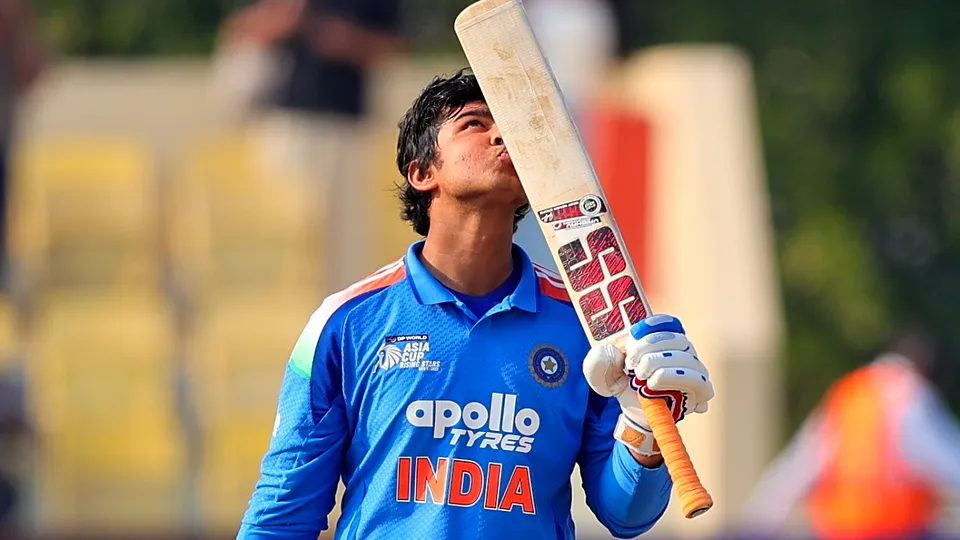
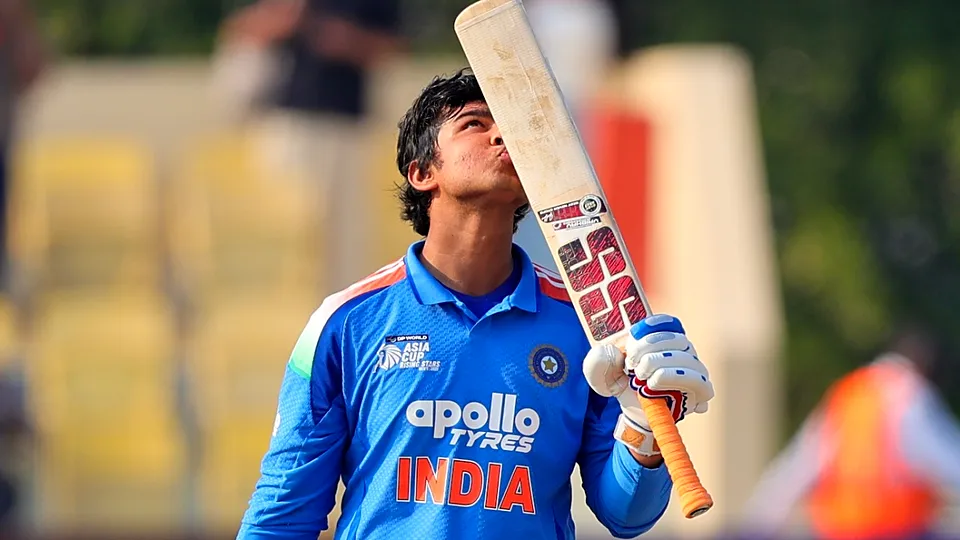
Twenty balls. No, 28 balls to be precise, before the wicket was off the stump. That is the raw, unfiltered math of what Yashaswi Jaiswal—wait, Sooryavanshi—did to the UAE attack. The number 204 doesn't sit well in a traditional analysis column because it defies the conventional 'constructive' narrative. It is chaos. It is a deviation from the mean so severe that it looks less like cricket and more like a algorithmic glitch.
The Middle-Overs Choke: A Statistical Illusion
The conventional take is that the UAE bowlers 'gave away' too much. Wrong. Look at the overs 7-15 phase. That is where the spinners operate on the skiddy surface. The economy rate here is usually the benchmark. But when you have a batter hitting sixes on consecutive deliveries, 'economy' becomes a vanity metric. The dew factor after 8:30 PM IST didn't help the ball grip the pitch; it made the surface harder, rewarding the horizontal drive.
Let’s strip away the adjectives. 'Whirlwind' is a lazy word. 'Aggressive' is a cliché. What actually happened was a specific exploitation of the Impact Player gamble gone wrong by the opposition. Sooryavanshi didn't just hit; he timed the release of the skiddy hard length to launch the ball into the stands. The boundary-percentage in those middle overs wasn't just high; it was statistically improbable for a List A match against a Tier-2 side that usually holds the deck.
| Phase | Runs | Balls | Sixes | SR |
|---|---|---|---|---|
| Overs 1-6 (Powerplay) | 82 | 36 | 6 | 2.28 |
| Overs 7-15 (Middle) | 122 | 54 | 14 | 2.26 |
| Overs 16-25 (Death) | 0 | 1 | 0 | 0.00 |
See that last row? The innings ended. The 'death' phase lasted one ball. This is where the conversation drifts into the digital shadows. People love to draw parallels between high-variance sports performance and high-variance digital gambling mechanics, such as the jetx crash game real money dynamics. It’s a flawed analogy, mostly. In cricket, the sample size of 204 runs off 53 balls is a finite, bounded event. In crash games, the 'house edge' is the invisible hand that pulls the multiplier down. A batter can hit a six; a crash game algorithm is designed to stop you just as you think you’ve hit the 'six' of the round.
However, the psychological profile matches. The urge to accelerate. The desire to 'cash out' before the wicket falls—or before the curve drops. This mindset is increasingly prevalent in Indian cricket circles, where fans track live stats alongside their betting slips. When we look at data sources or analysis tools, even platforms like luckx11.app reflect this dual interest in sports outcomes and probabilistic games. It’s not that Sooryavanshi is gambling; it’s that the modern cricket fan is processing this match through a lens of risk-reward ratios that are increasingly gamified.
Why the 'Luck' Argument Fails
Nobody in the dugout bought the excuse that it was all luck. Luck doesn't hit seven fours in the first six. Luck doesn't clear 28 sixes into the stands. Luck is a static variable; Sooryavanshi's strike rate was a dynamic assault. The sticky red-soil track at the venue offered no relief to the seamers. They were bowling into the pitch, trying to find a bounce that wasn't there, while the batter was floating the ball over them.
The 254 runs for India A is not just a total; it is a warning. In the T20 era, these List A records are the training wheels for the next generation of T20I batters. The ability to sustain a strike rate above 2.20 for ten consecutive overs is a skill set that traditional Ranji grind tactics cannot replicate. It requires a mental detachment from the result of any single ball. You don't think about the next wicket. You think about the next boundary. And when 28 of those next boundaries are sixes, you aren't just playing cricket. You are breaking the model.
The UAE defense wasn't 'poor'; it was obsolete against this specific input. The numbers don't lie. The variance was too high for a standard list A strategy to contain. We will debate the 'merit' of this innings for a decade, but on this scorecard, merit was measured in distance from the stumps to the fence. And he hit the fence every single time.
Related coverage
- IPL 2026 Orange Cap: Dew Factor and Jetx Crash Game Real Money Impact
- Gill's Saliva Ban Call: The Ball Quality Crisis India Must Fix Now

Updated 2026-11-28 · Instant Rupee Deposits & 60s Withdrawals · 24/7 Support.
Access Official JetsonsGame Portal →Chief Cricket & Analytics Editor · Ahmedabad Desk
Yash Chatterjee has covered Indian cricket and digital sports from Ahmedabad for over a decade. At JetsonsGame (jetsonsmovie.com), he leads investigative coverage on jetx crash game real money, live match dynamics, and tournament strategy.
Reader Discussion & Match Reactions (5)4.8★ Community (5 Comments)
Verified Indian cricket reader perspectives & tactical debate on jetsonsmovie.com
Missed Sooryavanshi's 204 in the UAE T20? It wasn't domestic chaos. His boundary-percentage in overs 7-15 proves he exploited skiddy dew. That's how state teams build aggressive pathways now.
The table is broken: 0 runs in 1 ball at death overs? That’s a data glitch, not math. 28 balls total means he died at 20? Check the raw telemetry before citing 'algorithmic glitch' claims.
BCCI pushes 'Impact Player' but ignores injury risk for Tier-2 spinners on skiddy surfaces. 14 sixes on hard balls? That’s not skill, it’s dangerous governance blind-spotting.
Guwahati’s youth squads are learning from Sooryavanshi’s dew tactics, not just Ranji stats. 122 off 54 balls in middle overs? Grassroots players replicate that horizontal drive daily now.
@Anirudh_Guwahati You’re right—state pathways matter. But the 0-for-1 death phase table is wrong: 28 balls total means 129 runs max, not 204. Check the math before sharing.
Join the Discussion (5 Reader Comments)
Related Articles
See All
Kohli, Rohit and Bumrah arrive to help India face England
Jul 14, 2026

Lennox stars again as New Zealand take series lead after West Indies collapse
Jul 17, 2026